
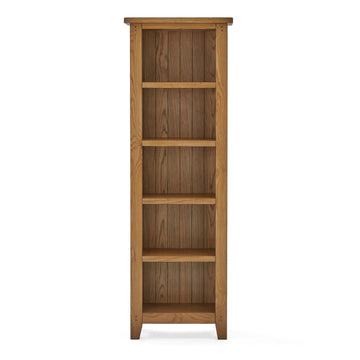


Wooden furniture provides warmth, beauty, and an undying attraction to any residing place. Whether it's a dining table, espresso table, material cabinet, bookshelf, or bed frame, satisfactory wooden fixtures can last for decades as long as they are properly maintained. However, exposure to dust, moisture, sunlight, and normal places can gradually have an effect on its appearance and structural integrity.
Understanding how to maintain wooden furniture for long-term durability is vital for maintaining its splendor, charm, and functionality. Regular care not only protects the floor from wear but additionally prevents steeply priced protection and untimely replacement. By following proper protection practices, proprietors can preserve their furniture looking appealing and appearing properly for decades.
Why Is Proper Wooden Furniture Maintenance Important?
Wooden furniture is a long-term investment that calls for normal care. Unlike synthetic materials, timber reacts to environmental conditions collectively with humidity, temperature adjustments, and direct daylight. Without proper renovation, fixtures can also, moreover, boom, crack, warp, fade, or groan.
Learning how to maintain wooden furniture for long-term durability enables owners to protect their investment while preserving the natural appeal of wood. Routine upkeep additionally reduces the risk of structural problems and ensures that furnishings remain steady and comfortable to use.
Key Benefits of Regular Maintenance
-
Preserves Natural Beauty: Regular cleaning gets rid of dirt and grime that could damage wooden surfaces. It lets in and keeps the real grain style and color and gives up the wood.
-
Extends Furniture Lifespan: Consistent care reduces ordinary wear and tear and protects furnishings from environmental harm. This lets in wood in quantities to remain sturdy and useful for decades.
-
Prevents Costly Repairs: Addressing minor issues early can prevent them from turning into major problems. Regular upkeep reduces the need for high-priced recuperation or opportunity.
-
Protects Surface Finishes: Cleaning and sprucing help keep defensive coatings, collectively with varnish and lacquer. These finishes shield the timber from moisture, stains, and scratches.
-
Maintains Property Value: Well-maintained fixtures maintain their visible appeal and popular grandeur. This can help keep its resale value and prolonged time period, which is well worth it.
-
Improves Indoor Appearance: Clean and polished timber fixtures enhance the general look of a room. It creates a welcoming and well-cared-for living environment.
How Often Should Wooden Furniture Be Cleaned?
One of the most common questions homeowners ask is how often wood furniture should be wiped smooth. The answer is predicated upon the form of furniture, usage stage, and environmental conditions. High-use devices, which encompass dining tables and desks, require extra commonplace hobbies rather than decorative pieces.
Regular cleansing is an essential component of maintaining wooden furniture for long-term durability. Consistent care prevents dust accumulation, protects finishes, and decreases the risk of everlasting staining or ground deterioration.
Recommended Cleaning Schedule
-
Daily Dusting: Use a smooth microfiber cloth to get rid of dust and prevent buildup on timber surfaces. Regular dusting lets us keep the furniture's inherent shine and quality.
-
Weekly Cleaning: Gently wipe fixtures with a barely damp fabric to take away dust and fingerprints. Always dry the floor straight away to prevent moisture damage.
-
Monthly Inspection: Check fixtures for scratches, unfastened joints, cracks, or symptoms and signs of damage and wear. Early detection allows for correctly timed maintenance and stops, in addition, deterioration.
-
Quarterly Polishing: Apply a suitable furniture polish to enhance the timber's appearance and protection. Polishing lets in repair and luster and helps the sturdiness of the paint.
-
Biannual Deep Cleaning: Thoroughly clean smooth furnishings with the use of wood-secure cleaning merchandise designed for deeper protection. This gets rid of accumulated grime and allows the maintenance of the wood's condition.
How Can You Protect Wooden Furniture from Moisture Damage?

Moisture is one of the most critical threats to wood fixtures. Excess humidity, spills, and water publicity can cause swelling, warping, staining, and mildew growth. Once moisture penetrates deep into the timber, healing can become high-priced and time-consuming.
A crucial element of How to Maintain Wooden Furniture for Long-Term Durability is controlling moisture exposure. Preventive measures can drastically lessen the chance of long-term damage and maintain the structural integrity of furniture.
Moisture Protection Tips
-
Use Coasters and Mats: Place coasters underneath liquids and mats below decorative gadgets to prevent water erratics and stains. These smooth add-ons create a protective barrier between moisture and the wooden floor.
-
Clean Spills Immediately: Wipe up any liquid spills as quickly as they arise to prevent moisture from soaking into the timber. Quick movement enables keeping away from staining, swelling, and long-term damage.
-
Maintain Indoor Humidity: Keep indoor humidity levels balanced to some degree throughout the year to minimize wood swelling and contraction. Stable humidity permits holding the fixture's structure and ends.
-
Avoid Damp Locations: Position timber furniture away from bathrooms, kitchens, and other areas with excessive moisture. Reducing exposure to damp environments allows for the prevention of warping and mold bloom.
-
Use Protective Finishes: Apply sealants, varnishes, or protective coatings to create a similar barrier in opposition to moisture. These finishes help guard the wood from water-associated harm and amplify its lifespan.
-
Ensure Proper Ventilation: Maintain exact airflow sooner or later in your home to lessen condensation and further humidity. Proper airflow facilitates creating a greater suite of surroundings for wood furnishings and forestalls moisture buildup.
How Does Sunlight Affect Wooden Furniture?
Direct daylight can also, moreover, appear innocent; however, prolonged exposure to the public can drastically affect timber furniture. UV rays often spoil brown finishes and cause fading. discoloration, and drying of wooden fibers.
Protecting furniture from the daytime is a different vital issue of how to maintain wooden furniture for long-term durability. Strategic placement and protective measures can help maintain the genuine color and keep it for years.
Ways to Prevent Sun Damage
-
Use Curtains or Blinds: Keep curtains or blinds closed throughout peak sunlight hours to reduce direct UV exposure. This provides protection for timber furnishings from fading and floor deterioration.
-
Rotate Furniture Position: Periodically pass or rotate furnishings to make sure all sides obtain equal exposure to herbal moderate. This prevents choppy fading and discoloration through the years.
-
Apply UV-Protective Finishes: Use specialized finishes or coatings designed to dam ultraviolet rays. This merchandise helps keep the timber's specific shade and shields the surface end.
-
Use Window Films: Install UV-blocking window films to reduce the quantity of dangerous sunlight hours coming into the room. This presents non-safe protection without limiting herbal mildness.
-
Avoid Window Placement: Position treasured timber furnishings away from domestic home windows that receive direct daytime sun. Reducing extended public-use permits keeps the fixtures' look and durability.
-
Monitor Seasonal Changes: Observe how daylight enters your property in the course of unique seasons and regulate furniture placement consequently. This proactive technique lets in minimizing lengthy-time-period solar-associated harm.
Should Wooden Furniture Be Polished Regularly?
Furniture sharpening performs a vital function in preserving the appearance and protection of wood surfaces. However, immoderate sprucing can create buildup and attract dust, making furniture look stupid through the years.
Understanding the best polishing frequency helps owners maintain a healthy balance between protection and cleanliness. Appropriate polishing enhances shine at the same time as preserving the integrity of shielding finishes.
Benefits of Proper Furniture Polishing
-
Enhances Appearance: Polishing restores the herbal luster and richness of wood surfaces. It allows furnishings to look smooth, colorful, and well-maintained.
-
Provides Surface Protection: An extraordinary polish creates a shielding layer that allows it to repel dust, dirt, and normal contaminants. This reduces ground put-on and makes cleansing simpler.
-
Reduces Minor Scratches: Polishing can help disguise small scratches and surface imperfections that broaden through the years. This improves the general look of the fixtures without massive maintenance.
-
Improves Water Resistance: Furniture polish gives a short barrier that enables guarding the floor from minor moisture. This can reduce the chance of water spots and marking.
-
Maintains Finish Quality: Regular sharpening allows the durability of varnish, lacquer, and precise protective coatings. It lets in and keeps the clean texture and appearance of the shop.
-
Refreshes Older Furniture: Polishing can revive silly or tired-looking wood furniture by restoring its shine and depth. This smooth renovation step helps older portions look extra appealing and cared for.
How Can Scratches and Surface Damage Be Prevented?
Daily use frequently exposes wooden furnishings to accidental scratches, dents, and abrasions. Even minor damage may additionally have an effect on looks and reduce long-term durability if left unaddressed.
Preventive care is an extended, much more effective way than restoration. By taking simple precautions, house owners can substantially lessen the chance of floor damage while preserving the furnishings' aesthetics.
Scratch Prevention Strategies
-
Use Furniture Pads: Attach furnishings pads to the legs of chairs, tables, and specific movable gadgets. These pads assist in preventing scratches as a result of ordinary motion on wood surfaces.
-
Avoid Dragging Objects: Always enhance decorative objects, home devices, or furnishings rather than dragging them. Sliding heavy gadgets can go away eternally, scratching and damaging the end.
-
Keep Pets' Nails Trimmed: Regularly trim your pets' nails to minimize the threat of unintended scratches. This is specifically essential for wood tables, chairs, and floors.
-
Use Protective Covers: Cover furnishings with defensive sheets or blankets in the course of shifting, renovations, or home development initiatives. This enables protecting surfaces from accidental effects and abrasions.
-
Avoid Sharp Objects: Keep keys, devices, metal accessories, and one-of-a-kind sharp objects away from wooden fixtures. Contact with tough devices can, without hassle, damage the floor.
-
Inspect Regularly: Examine furnishings periodically for small scratches, dents, or signs and symptoms of damage. Addressing minor damage early can save you from extra-large protection later.
What Role Does Indoor Humidity Play in Furniture Durability?
Wood definitely expands and contracts as humidity levels vary. Excessive humidity can cause swelling, while overly dry conditions can also bring about cracking and splitting. These changes can weaken joints and have an impact on the fixtures' balance.
Maintaining strong indoor conditions is crucial while analyzing how to maintain wooden furniture for long-term durability. Environmental manipulation lets in the preservation of every appearance and structural energy.
Humidity Management Best Practices
-
Maintain Balanced Humidity: Keep indoor humidity ranges as regular as possible at some point in the 12 months. Stable situations help prevent wood from growing, contracting, or developing cracks.
-
Use Humidifiers in Winter: Dry winter air can take away moisture from wood and cause it to dry out. A humidifier allows for holding true moisture ranges and protects furnishings from drying out.
-
Use Dehumidifiers in Humid Climates: Excess humidity can cause swelling, warping, and mold growth in wooden furnishings. Dehumidifiers assist in manipulating moisture levels and decreasing those dangers.
-
Monitor Room Conditions: Use a hygrometer to frequently measure indoor humidity. Accurate monitoring permits you to make modifications in advance so that humidity fluctuations have an impact on the furnishings.
-
Avoid Heat Sources: Place wooden furnishings far away from radiators, heaters, fireplaces, and heating vents. Direct warm temperatures can dry out the timber and weaken its structural integrity over the years.
-
Promote Air Circulation: Ensure correct airflow in the path of your private home with the aid of the use of enthusiasts or the right air flow. Consistent airflow permits keeping balanced humidity and stops moisture buildup.
When Should Wooden Furniture Be Refinished?
Even with terrific care, fixtures' finishes also can, in the end, be taken down. Refinishing restores the look, strengthens protection, and extends the life span of fixtures. Signs that refinishing can be important include fading, deep scratches, water stains, and worn protective coatings.
Refinishing is mostly a cost-effective possibility as an alternative. Proper recuperation has to make older fixtures' appearances almost new at the same time as maintaining their actual craftsmanship and individuality.
Signs Furniture Needs Refinishing
-
Visible Surface Wear: If the protecting finish appears thin, chipped, or damaged, refinishing may be crucial. Restoring the crease enables shielding the timber from additional deterioration.
-
Persistent Water Marks: Water stains that remain are seen; however, regular cleansing often reveals deeper floor damage. Refinishing can help cast off those marks and repair the furnishings' look.
-
Faded Color: Prolonged exposure to daylight can cause the timber to lose its unique color and vibrancy. Refinishing lets in reviving the herbal splendor and uniform look of the furniture.
-
Deep Scratches: Scratches that penetrate beyond the ground stop cannot normally be corrected with polishing on my own. Refinishing permits restoring the damage and creating an easy floor all over again.
-
Rough Texture: If the wood feels dry, uneven, or tough to the touch, the protective coating might also have worn away. Refinishing restores smoothness and gives renewed safety.
-
Reduced Shine: Furniture that stays dull even after sharpening can also require refinishing. A new giveaway can repair its luster and give it a common appearance.
Common Mistakes to Avoid When Maintaining Wooden Furniture
Many furnishings proprietors shorten the lifespan of their fixtures by accident by way of using the following wrong protection practices. Avoiding those mistakes can drastically enhance durability and reduce preservation costs. Understanding commonplace mistakes is as vital as getting to know the correct strategies. Proper conduct ensures steady safety and long-term widespread performance.
Maintenance Mistakes to Avoid
-
Using Harsh Chemicals: Strong cleaning products can strip away protective finishes and damage the timber floor. Always use moderate, wood-steady cleaners specifically designed for furniture care.
-
Over-Wetting Surfaces: Excess water can seep into the timber and cause swelling, warping, or staining. Use a gently damp fabric and dry the floor immediately after cleaning.
-
Ignoring Small Repairs: Minor scratches, loose joints, or small cracks can worsen if left unattended. Addressing issues early lets in preventing high-priced maintenance and extends the lifespan of furnishings.
-
Over-Polishing Furniture: Applying too much polish can create residue buildup that draws dirt and dust. Follow advocated spruce schedules and use merchandise sparingly.
-
Placing Furniture Near Heat Sources: Positioning furniture near radiators, heaters, or fireplaces can dry out the wood. Excessive warm temperatures may additionally cause cracking, shrinking, and end damage over time.
-
Skipping Routine Cleaning: Allowing dust and dirt to build up can progressively put a damper on the quiet and stuffy furnishings' look. Regular cleansing allows keeping each splendor and sturdiness.
Conclusion
Knowing how to maintain wooden furniture for long-term durability is critical for retaining the beauty and energy of your furniture. Regular cleansing, proper sharpening, and safety from moisture can help save you from commonplace styles of damage and maintain wood surfaces looking fine.
Environmental elements at the facet of daytime, humidity, and temperature adjustments can also have an impact on the scenario of timber over the years. Taking smooth preventive measures, which incorporate using coasters, retaining balanced indoor humidity, and avoiding direct sunlight, can appreciably increase furnishings' lifespan.
With steady care and interest, timber furnishings can remain appealing and realistic for many years. Following those renovation practices not only protects your investment but also guarantees that your furniture continues to enhance your living space for the long term.
Explore our Recent Blogs
-
How Storage Furniture Improves Home Organization Efficiency?
-
Understanding Different Types of TV Unit Designs for Modern Homes
Frequently Asked Questions
1. How do I maintain wooden furniture for long-term durability naturally?
Natural protection entails normal dusting, immediate spill cleanup, and heading off excessive moisture. Using slight cleansing answers and deferring furniture from direct sunlight, moreover, allows preserving its appearance. Consistent care is an important factor in long-lasting durability.
2. What is the best cleaner for wooden furniture?
The first-rate purifier is a mild, wood-secure cleaning solution especially designed for fixture surfaces. Avoid harsh chemical products containing ammonia or bleach. Always take a look at any purifier on a now-not-significant area before the whole software program.
3. How often should wooden furniture be polished?
Most timber furnishings benefit from sharpening every 3 to 6 months, depending on utilization and environmental conditions. Excessive sprucing should be prevented because of the reality that it can create residue buildup. Follow manufacturer recommendations on every viable occasion.
4. Can sunlight permanently damage wooden furniture?
Yes, prolonged exposure to direct sunlight can cause fading, discoloration, and deterioration of defensive finishes. UV rays, grade by grade, weaken the surface layer and adjust the wood's herbal appearance. Preventive measures, together with curtains and UV coatings, are quite recommended.
5. How can I remove scratches from wooden furniture?
Minor scratches can frequently be buffed out using furniture touch-up markers, wax sticks, or specialized timber-restore merchandise. Deeper scratches may also require sanding and refinishing. Prompt remedy prevents, in addition, deterioration.
6. Why does wooden furniture crack over time?
Cracking usually takes place because of fluctuations in humidity and temperature. Wood certainly expands and contracts, and excessive dryness can cause fibers to break up. Maintaining strong indoor humidity allows for minimizing cracking and structural damage.